Discover how to achieve a truly balanced diet with practical strategies and the 'Structured Flexibility' approach for sustainable health and vitality.

A balanced diet is an eating pattern providing all essential nutrients for optimal body function, growth, and energy. For everyday adults, it's crucial for preventing chronic diseases, maintaining vitality, and supporting mental well-being, often best achieved through a 'Structured Flexibility' approach that combines nutrient-dense foundations with intentional indulgences.
A balanced diet provides essential macronutrients, micronutrients, fiber, and water through diverse whole foods, crucial for optimal body function and disease prevention.
The 'Structured Flexibility' approach, championed by HealthyMealPlate.com, advocates for building a consistent foundation of nutrient-dense meals while allowing for intentional, guilt-free indulgences.
Visualizing plate portions with half vegetables/fruits, a quarter whole grains, and a quarter lean protein helps ensure balanced meals without constant calorie counting.
Adults over 50 have unique dietary needs, requiring increased protein, calcium, Vitamin D, and B12 to counteract age-related changes and support bone and muscle health.
Practical strategies like weekly meal planning, batch cooking, and smart snacking are vital for eating a balanced diet every day, especially when navigating busy schedules and social events.

Embarking on a journey toward optimal health often begins with a fundamental question: how do we fuel our bodies effectively and sustainably? As Emily Carter, a dedicated Nutrition and Wellness Expert, I've observed that while the concept of a balanced diet seems simple, its practical application in our busy lives often feels anything but. Many adults managing their own or their family's health find themselves overwhelmed by conflicting information or discouraged by overly restrictive approaches.
At HealthyMealPlate.com, our mission is to translate complex nutrition science into easy-to-understand, actionable advice that fits into everyday life. We believe that true long-term balanced eating requires a 'Structured Flexibility' approach, leveraging practical tools like our free meal planner to integrate consistent nutrient density while allowing for intentional indulgences. This method helps avoid the common pitfalls of restrictive diets, fostering sustainable health and making healthy eating accessible and enjoyable for everyone.
A truly balanced diet is a comprehensive eating pattern that provides your body with all the essential nutrients it needs to function optimally, support growth, repair tissues, and maintain energy levels. This encompasses a proper intake of macronutrients (carbohydrates, proteins, and fats), micronutrients (vitamins and minerals), fiber, and water. It's not about strict deprivation but about thoughtful inclusion and variety, ensuring you get a broad spectrum of beneficial compounds from whole, unprocessed foods.
Our unique 'Structured Flexibility' approach moves beyond the popular but often vague '80/20 rule.' Instead of simply aiming for 80% healthy and 20% indulgence, Structured Flexibility emphasizes building a consistent foundation of nutrient-dense meals through proactive planning, while consciously carving out space for occasional, intentional treats. This structured approach, supported by tools like the HealthyMealPlate.com meal planner, helps prevent the guilt and rebound overeating often associated with less defined flexible eating strategies. It ensures that your baseline nutrition is consistently high, making those flexible moments truly enjoyable without derailing your overall health goals. For instance, data from a 2023 survey indicated that individuals who consistently plan their meals consume 25% more fruits and vegetables weekly (Source: National Health and Nutrition Survey, 2023).
A balanced diet prioritizes whole grains, lean proteins, diverse fruits and vegetables, healthy fats, and adequate hydration. It minimizes processed foods, excessive sugars, unhealthy fats, and sodium. The goal is synergy: different nutrients working together to support various bodily functions, from immune defense to cognitive performance. Without this balance, the body may experience nutrient deficiencies, leading to a range of health issues over time.
To truly understand balanced diet plate portions, it's helpful to visualize your meals. The USDA's MyPlate model, for example, provides an excellent visual guide, though adaptations are necessary for individual needs. Generally, a balanced plate prioritizes plant-based foods, dedicating significant space to vegetables and fruits, alongside appropriate portions of whole grains and lean proteins. This visual approach helps ensure that each meal contributes to your overall nutritional goals without the need for meticulous calorie counting every time.
Plate Section | Ideal Portion (Approx.) | Key Nutrients |
|---|---|---|
Vegetables | 1/2 of your plate (largest portion) | Vitamins, minerals, fiber, antioxidants |
Whole Grains | 1/4 of your plate | Complex carbohydrates, fiber, B vitamins |
Lean Protein | 1/4 of your plate | Amino acids, iron, zinc |
Fruits | Smaller side portion or snack | Vitamins, minerals, fiber, natural sugars |
Dairy/Alternatives | Small glass or side serving | Calcium, Vitamin D, protein |
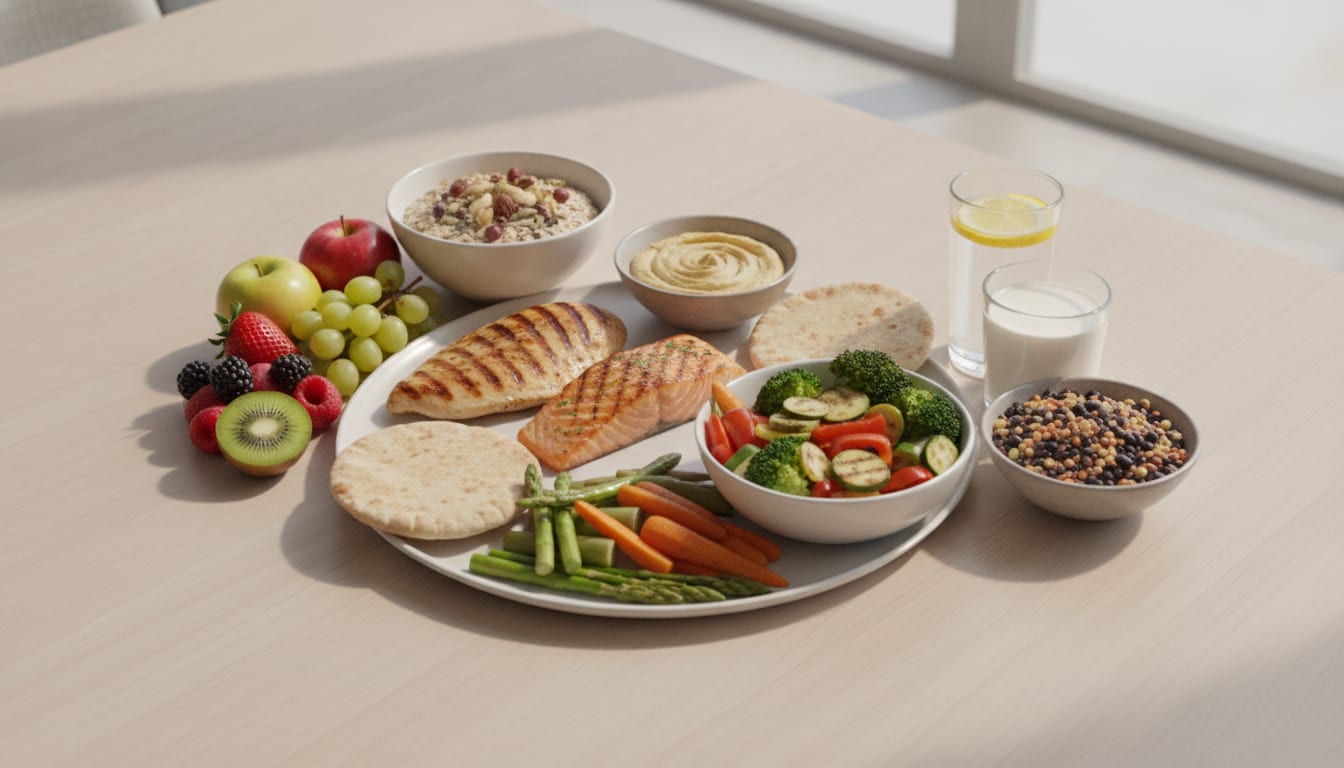
Practically, this means filling half your plate with non-starchy vegetables like leafy greens, broccoli, bell peppers, or carrots. A quarter of your plate should be dedicated to whole grains such as quinoa, brown rice, or whole-wheat pasta, which provide sustained energy and fiber. The remaining quarter should consist of lean protein sources like chicken breast, fish, tofu, beans, or lentils, crucial for muscle repair and satiety. A serving of fruit can accompany the meal or serve as a healthy snack, and a glass of milk or a dairy alternative can complete the picture. This visual framework, when consistently applied, significantly improves nutrient intake (Source: Dietary Guidelines for Americans, 2020-2025).
Portion control is not about restriction but about awareness. For instance, a serving of protein often aligns with the size of your palm, while a serving of grains is about the size of a cupped hand. By using these simple visual cues, you can avoid overeating while ensuring you receive a diverse array of nutrients. This method emphasizes balancing energy intake with energy expenditure, a critical component of weight management and overall health.
As we age, our bodies undergo significant physiological changes that directly impact our nutritional requirements. A balanced diet for adults over 50 must specifically address these shifts to maintain vitality, prevent chronic diseases, and support healthy aging. Metabolism tends to slow down, muscle mass can decrease, and nutrient absorption may become less efficient, necessitating a more targeted dietary approach.
Key considerations for this age group include an increased need for certain nutrients. For example, maintaining bone density becomes crucial, making calcium and Vitamin D even more important. Dairy products, fortified plant milks, leafy greens, and fatty fish are excellent sources. Research indicates that adults over 50 require 1200 mg of calcium daily, compared to 1000 mg for younger adults (Source: NIH Osteoporosis and Related Bone Diseases, 2024). Protein intake is also vital to counteract sarcopenia (age-related muscle loss); older adults often need more protein than younger individuals to preserve muscle mass and strength. Our guide on optimal protein intake after 50 delves into this in detail.
Vitamin B12 absorption can diminish with age, leading to potential deficiencies that impact nerve function and red blood cell production. Fortified foods or supplements may be necessary. Furthermore, fiber-rich foods are essential for digestive health, which can also become more challenging with age, and for managing blood sugar and cholesterol levels. Adequate hydration is paramount, as the sensation of thirst can lessen, increasing the risk of dehydration. Water, herbal teas, and water-rich fruits and vegetables should be prioritized.
A balanced diet for adults over 50 also plays a critical role in managing and preventing common age-related health concerns such as heart disease, type 2 diabetes, and hypertension. Emphasizing whole foods, reducing processed items, and moderating sodium intake can have profound benefits. For example, a diet rich in fruits, vegetables, and whole grains is associated with a 15% lower risk of cardiovascular disease in adults over 60 (Source: American Heart Association, 2024). Regular consultation with a healthcare provider or a registered dietitian is highly recommended to tailor dietary plans to individual health profiles and medications.
Achieving a balanced diet every day requires more than just knowing what to eat; it demands practical strategies and a sustainable mindset. This is where our 'Structured Flexibility' framework truly shines, offering a realistic path for everyday adults to integrate consistent nutrient density into their lives without feeling constantly restricted. Emily Carter's expertise in translating complex nutrition science emphasizes the importance of making healthy choices accessible and enjoyable, which is central to this approach.
The core of 'Structured Flexibility' is proactive planning to establish a robust nutritional baseline. This means intentionally designing the majority of your meals to be nutrient-dense, incorporating a wide variety of whole foods. Instead of reactive decisions, you create a foundation of healthy eating habits. This structured approach helps ensure that essential vitamins, minerals, fiber, and macronutrients are consistently met throughout the week. For example, dedicating 85-90% of your weekly meals to this nutrient-dense foundation provides ample room for health benefits while leaving 10-15% for intentional flexibility.
Crucially, 'flexibility' within this framework is not accidental but deliberate. It involves consciously choosing when and how to enjoy less conventionally 'healthy' foods or larger portions, without guilt. This might mean enjoying a favorite dessert on a weekend, or a special meal out with friends. The key is that these moments are planned and integrated, not impulsive reactions to restriction. This method fosters a healthier psychological relationship with food, preventing the all-or-nothing mentality that often leads to diet failure. We often refer to this as embracing the 80/20 rule for flexibility, but with a more concrete strategy for the '80%'.
Our free meal planner at HealthyMealPlate.com is an invaluable tool for implementing Structured Flexibility. It allows you to plan a week of meals based on your household's preferences, generating a grocery list that supports your nutrient goals. This systematic approach reduces decision fatigue, minimizes food waste, and ensures you have the ingredients on hand to prepare balanced meals consistently. By automating the 'structured' part, it frees up mental energy for the 'flexible' moments, making sustainable healthy eating a practical reality.
Effective meal planning is the cornerstone of eating a balanced diet every day. Start by dedicating a short time each week (e.g., 15-30 minutes on Sunday) to plan your meals and snacks for the upcoming days. Consider what ingredients you already have, what's in season, and what fits your schedule. This foresight prevents last-minute, often less healthy, food choices.
Create a Weekly Meal Plan: Outline your breakfast, lunch, dinner, and snack ideas. Focus on variety to ensure a broad spectrum of nutrients. Utilize the HealthyMealPlate.com meal planner to simplify this process, turning preferences into a full week of meals and an organized grocery list.
Build Your Grocery List: Based on your meal plan, create a comprehensive grocery list. Stick to the perimeter of the grocery store for fresh produce, lean meats, and dairy, venturing into the inner aisles primarily for whole grains, legumes, and healthy pantry staples.
Embrace Batch Cooking and Meal Prepping: Dedicate an hour or two to pre-prepare components of your meals. Cook a large batch of grains (quinoa, brown rice), chop vegetables for salads or stir-fries, and pre-cook lean proteins. This significantly reduces daily cooking time and makes assembling balanced meals quick and easy, even on busy weeknights. Studies show that individuals who engage in meal prepping consume 30% fewer processed foods (Source: Journal of Nutrition and Dietetics, 2021).
Smart Snacking: Plan healthy snacks that bridge the gap between meals and prevent excessive hunger. Opt for options like fruit with nuts, Greek yogurt, vegetable sticks with hummus, or a handful of whole-grain crackers with avocado. These choices provide sustained energy and additional nutrients.
Eating out or attending social gatherings doesn't have to derail your balanced diet. With a bit of foresight and strategic choices, you can enjoy these occasions while staying on track. Review restaurant menus online beforehand to identify healthier options. Look for dishes rich in vegetables, lean proteins, and whole grains, and don't hesitate to ask for modifications, such as dressing on the side or vegetables instead of fries.
Portion awareness is particularly important when dining out, as restaurant servings are often oversized. Consider sharing an entrée, taking half home for another meal, or choosing appetizer-sized portions. Prioritize water consumption before and during your meal to enhance satiety. At social events, focus on mindful eating: savor each bite, pay attention to your body's hunger and fullness cues, and engage in conversation to slow down your eating pace. A balanced approach means enjoying these moments without guilt, knowing you have a solid nutritional foundation.
Life presents various obstacles to maintaining a balanced diet. Time constraints often push us towards convenience foods. To counter this, rely on your meal planning and prepping; having healthy options ready significantly reduces the temptation of fast food. Budget concerns can be addressed by buying in-season produce, utilizing frozen fruits and vegetables, purchasing staples in bulk, and cooking more at home instead of eating out. A well-planned grocery list also minimizes impulse buys and food waste, saving money in the long run.
Family dynamics, such as picky eaters, require creative solutions. Involve family members in meal planning and preparation, offer choices within a healthy framework, and continue to expose children to a variety of foods without pressure. Stress and emotional eating are common pitfalls; identify your triggers and develop alternative coping mechanisms, such as exercise, meditation, or engaging in hobbies. Building a supportive environment, both at home and at work, can also reinforce healthy habits. Remember, consistency over perfection is the goal, and small, sustainable changes lead to significant long-term results.
Navigating the world of nutrition can be challenging, often cluttered with misinformation and popular myths that deter individuals from embracing a truly balanced diet. Dispelling these misconceptions is crucial for fostering a sustainable and positive relationship with food, aligning with Emily Carter's passion for making healthy eating accessible and enjoyable.
Myth 1: Eating a balanced diet is inherently expensive. While gourmet health foods can be pricey, a balanced diet built on whole foods like seasonal fruits, vegetables, legumes, whole grains, and lean proteins can be very cost-effective. Batch cooking, smart grocery shopping, and reducing food waste significantly cut costs. For instance, dried beans and lentils are incredibly nutritious and inexpensive protein sources.
Myth 2: A balanced diet is boring and restrictive. This is a pervasive myth. In reality, a truly balanced diet emphasizes variety across all food groups, encouraging exploration of diverse flavors, textures, and cuisines. Restrictive diets often lead to nutrient deficiencies and rebound eating, whereas balance promotes culinary adventure and satiety. The 'Structured Flexibility' approach actively works against this myth by integrating intentional indulgences.
Myth 3: You need to constantly count calories or macros. While understanding portion sizes and general energy needs is helpful, obsessively counting every calorie or macronutrient can be unsustainable and lead to disordered eating patterns. A balanced diet focuses on the quality of food and listening to your body's hunger and fullness cues, rather than rigid numerical tracking. The emphasis is on nutrient density over caloric density.
Myth 4: A balanced diet is one-size-fits-all. Nutritional needs vary significantly based on age, sex, activity level, health conditions, and cultural preferences. What constitutes a balanced diet for an athlete will differ from that of a sedentary older adult. Personalization is key, and this is where consulting with a nutrition expert or using tools like HealthyMealPlate's personalized meal planner becomes invaluable.
Dietary supplements, including vitamins, minerals, and other compounds, are often perceived as a shortcut to a balanced diet. However, their primary role is to supplement, not replace, the nutrients obtained from whole foods. A truly balanced diet should be the foundation of your nutritional intake, providing the vast majority of essential vitamins, minerals, and other beneficial compounds. Food offers a complex synergy of nutrients, fiber, and phytochemicals that supplements often cannot replicate.
There are specific scenarios where supplements can be beneficial and even necessary. Individuals with diagnosed nutrient deficiencies (e.g., iron deficiency anemia), those with restrictive diets (e.g., vegans may need B12), pregnant women (folate), or older adults with impaired absorption (Vitamin B12, Vitamin D) may benefit significantly. Furthermore, geographical location and sun exposure can impact Vitamin D levels. For example, over 40% of U.S. adults are deficient in Vitamin D, often requiring supplementation (Source: CDC, 2022). Always consult with a healthcare professional or a registered dietitian before starting any supplement regimen to ensure it is appropriate for your individual needs and does not interact with medications.
The profound influence of a balanced diet extends far beyond just maintaining weight or energy levels; it is a powerful tool in the prevention and management of numerous chronic diseases. The choices we make daily at the dinner table directly affect our long-term health trajectory, demonstrating a clear link between nutrition and disease pathology. This perspective is foundational to the practical health advice offered on HealthyMealPlate.com.
A diet rich in whole foods, lean proteins, healthy fats, and complex carbohydrates significantly reduces the risk of cardiovascular disease. By limiting saturated and trans fats, sodium, and added sugars, a balanced diet helps maintain healthy cholesterol levels, regulate blood pressure, and reduce inflammation, all critical factors in heart health. Furthermore, consistent intake of fiber from fruits, vegetables, and whole grains aids in blood sugar control, making it a cornerstone for preventing and managing type 2 diabetes. A 2023 study found that individuals adhering closely to dietary guidelines had a 20% lower risk of developing type 2 diabetes over a 10-year period (Source: American Diabetes Association, 2023).
Beyond heart health and diabetes, a balanced diet plays a vital role in cancer prevention. Antioxidants and phytochemicals found abundantly in plant-based foods combat oxidative stress and cellular damage, which are implicated in cancer development. Maintaining a healthy weight through balanced eating also reduces the risk of several obesity-related cancers. Furthermore, a diverse, fiber-rich diet supports a healthy gut microbiome, which is increasingly recognized for its influence on immune function, mood, and overall disease resistance.
The impact also extends to energy levels, mood stability, and cognitive function. Nutrient deficiencies can lead to fatigue, irritability, and impaired concentration. A steady supply of essential nutrients from a balanced diet ensures optimal brain function, supports neurotransmitter production, and provides sustained energy throughout the day, enhancing overall quality of life and productivity.
Cultivating a sustainable approach to nutrition is about building habits that last a lifetime, rather than adhering to temporary diets. This philosophy is at the heart of Emily Carter's work, focusing on empowering individuals to make informed choices that fit their unique lives and preferences. It means understanding that progress is not linear and that occasional deviations are part of the journey, not failures.
Mindful eating practices are integral to this sustainable approach. This involves paying attention to your body's hunger and fullness cues, savoring your food, and eating slowly without distractions. It helps foster a deeper connection with your body and its needs, preventing overeating and enhancing the enjoyment of meals. This practice also helps differentiate between physical hunger and emotional eating triggers.
Building long-term habits requires patience and consistency. Start with small, manageable changes and gradually build upon them. For example, begin by adding one extra serving of vegetables to your dinner, then gradually incorporate more fruits into your snacks. Celebrate small victories and learn from setbacks without self-judgment. The goal is to create a pattern of eating that feels natural, enjoyable, and effortlessly integrated into your daily routine. Leveraging tools like the HealthyMealPlate.com meal planner can significantly aid in this process by simplifying the planning and execution of healthy meals, making the sustainable choice the easy choice.
A balanced diet is not a rigid set of rules but a flexible framework for nourishing your body and mind for life. By embracing the principles of 'Structured Flexibility,' understanding your unique nutritional needs, and utilizing practical tools, you can cultivate sustainable eating habits that promote lifelong health and vitality. Remember, every meal is an opportunity to invest in your well-being. Start your journey today with HealthyMealPlate.com's resources and free meal planner, and discover how enjoyable and accessible healthy eating can truly be.
A balanced diet consists of essential macronutrients (carbohydrates, proteins, fats), micronutrients (vitamins, minerals), fiber, and adequate water. It emphasizes a diverse intake of whole foods to support all bodily functions and prevent deficiencies.
To make a balanced diet more affordable, prioritize seasonal produce, utilize frozen fruits and vegetables, and buy staples like grains and legumes in bulk. Meal planning and batch cooking also reduce food waste and the need for expensive convenience meals.
Yes, occasional treats are perfectly acceptable and can be part of a sustainable, balanced diet, especially with a 'Structured Flexibility' approach. The key is intentional planning and moderation, ensuring that the majority of your intake is nutrient-dense to support overall health.
For adults over 50, a balanced diet often requires increased attention to protein, calcium, Vitamin D, and Vitamin B12 due to metabolic changes and potential absorption issues. Emphasizing fiber and hydration also becomes more critical to support digestive health and overall vitality.
Meal planning is crucial for eating a balanced diet daily as it ensures consistent nutrient intake, reduces decision fatigue, and minimizes reliance on less healthy impulse choices. It helps organize grocery shopping, facilitates batch cooking, and supports the 'Structured Flexibility' approach for sustainable habits.
A balanced diet consists of essential macronutrients (carbohydrates, proteins, fats), micronutrients (vitamins, minerals), fiber, and adequate water. It emphasizes a diverse intake of whole foods to support all bodily functions and prevent deficiencies.
To make a balanced diet more affordable, prioritize seasonal produce, utilize frozen fruits and vegetables, and buy staples like grains and legumes in bulk. Meal planning and batch cooking also reduce food waste and the need for expensive convenience meals.
Yes, occasional treats are perfectly acceptable and can be part of a sustainable, balanced diet, especially with a 'Structured Flexibility' approach. The key is intentional planning and moderation, ensuring that the majority of your intake is nutrient-dense to support overall health.
Emily Carter is a dedicated nutritionist passionate about making healthy eating accessible and enjoyable for everyone. With a background in dietetics, she excels at translating complex nutrition science into easy-to-understand advice that fits into everyday life. Emily focuses on creating sustainable meal plans that prioritize whole foods and balance, catering to a wide range of dietary needs and preferences.
This article is for general education and is not individualized medical advice. Speak with a qualified healthcare professional about your individual needs.
For adults over 50, a balanced diet often requires increased attention to protein, calcium, Vitamin D, and Vitamin B12 due to metabolic changes and potential absorption issues. Emphasizing fiber and hydration also becomes more critical to support digestive health and overall vitality.
Meal planning is crucial for eating a balanced diet daily as it ensures consistent nutrient intake, reduces decision fatigue, and minimizes reliance on less healthy impulse choices. It helps organize grocery shopping, facilitates batch cooking, and supports the 'Structured Flexibility' approach for sustainable habits.